
The High Price of “Good Enough” Localization
Think a quick translation or basic RTL support is enough? Think again. Even small localization issues can wreck user experience and credibility.
These examples show you the purchase-breaking pain experienced by millions of RTL users when basic rules of directionality, text isolation, and standard numeric formatting are ignored. Every issue shown here has been reversed into English so you can immediately see the functional chaos caused by poor internationalization code.
Note: Examples shown with English UI for clarity – actual issues occur in Arabic/RTL contexts.
Credit card form laid wrongly
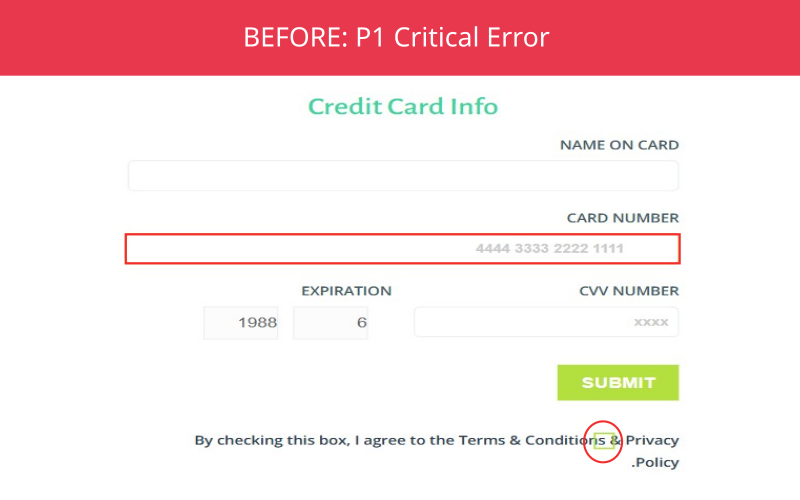
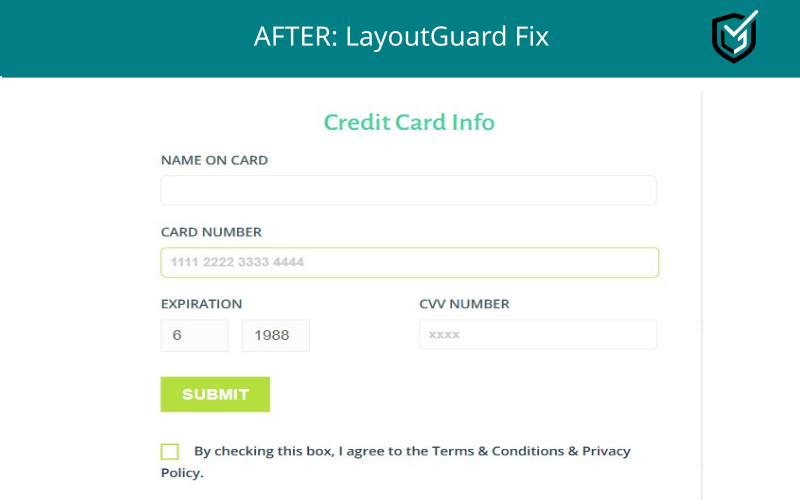
The order and position of fields (number, date, CVC) are forcing the customer to read against the natural flow. Worse, some essential elements like a terms checkbox are unreachable, which can completely stop the purchase.
Main Buttons are Out of Flow
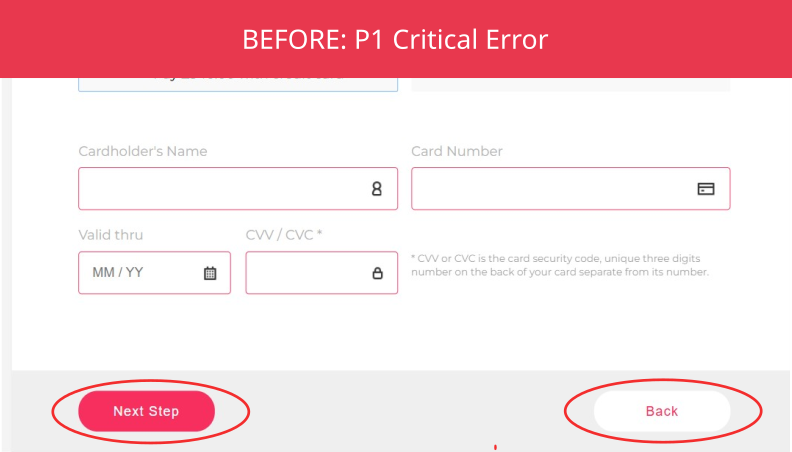
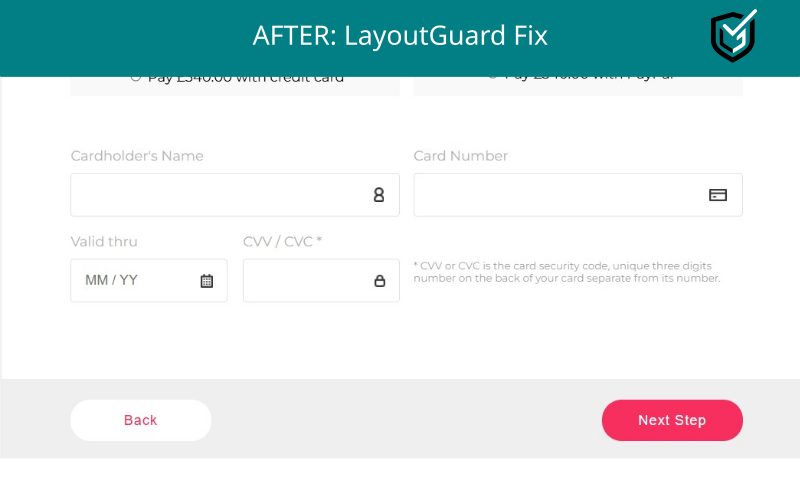
The most important button, like “Confirm Order” or “Next” is placed where the customer’s eye starts, instead of where it naturally finishes reading a page.
Confusing Checkout Steps
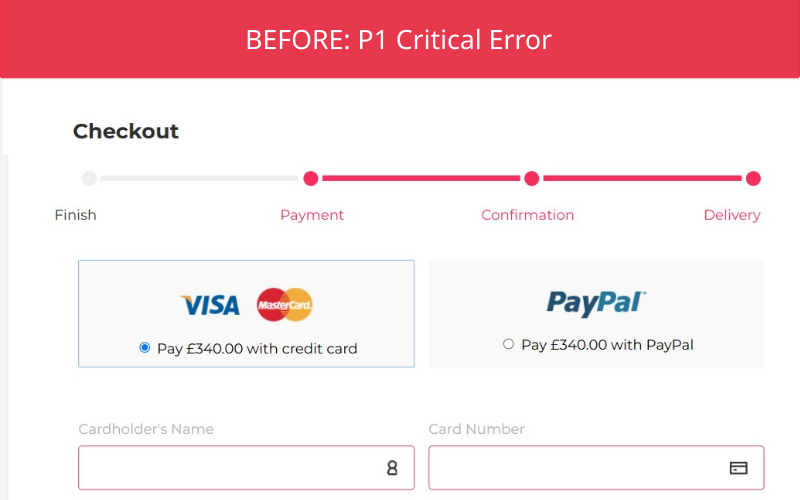
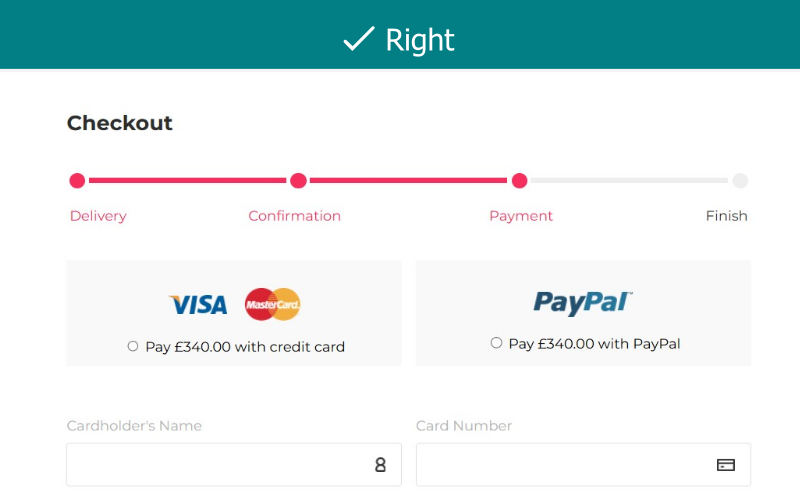
The progress bar a customer sees during checkout appear to run from left-to-right, which is the reverse of how Arabic is read. This makes it look like the customer is going backwards or losing progress.
Cluttered numbers and punctuation
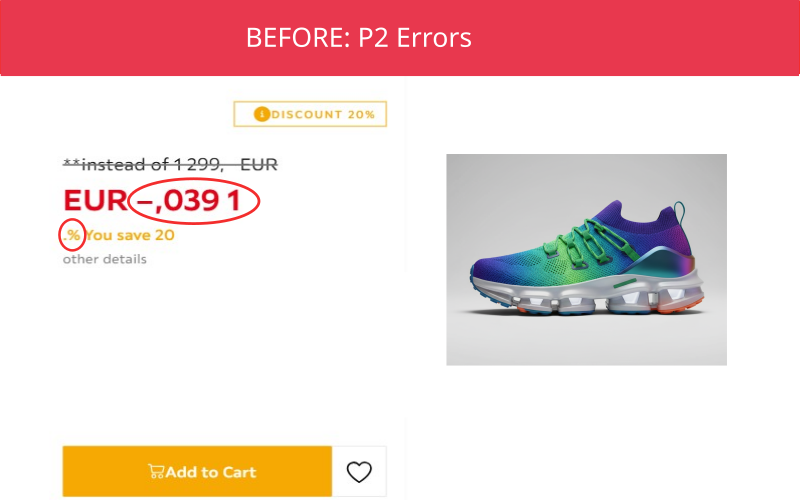
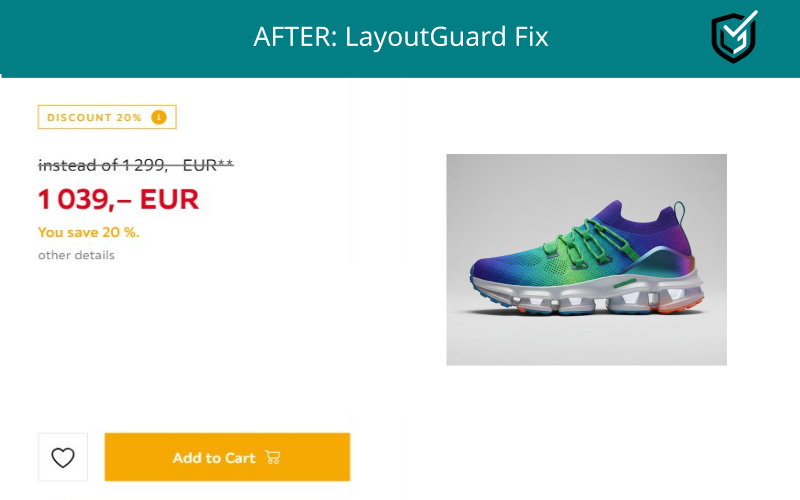
Mixed Arabic/English text can look jumbled — digits and symbols attach to the wrong word or side. The corrected screen formats numbers and separators, so amounts read cleanly at a glance.
Formatting that breaks readability
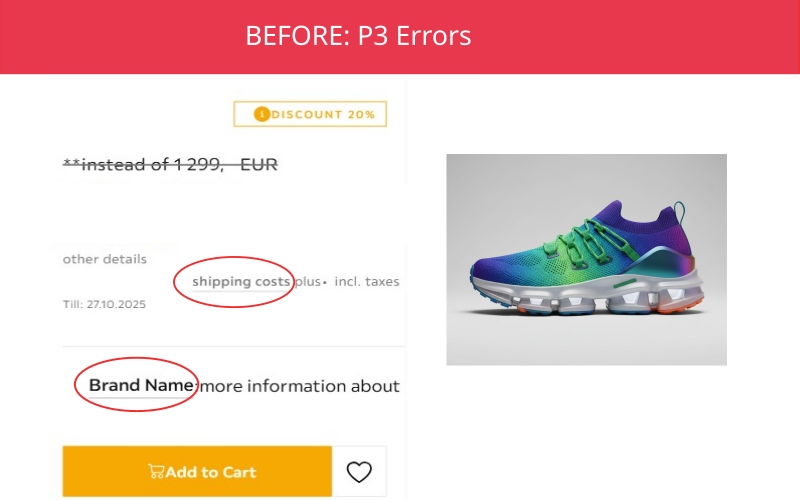
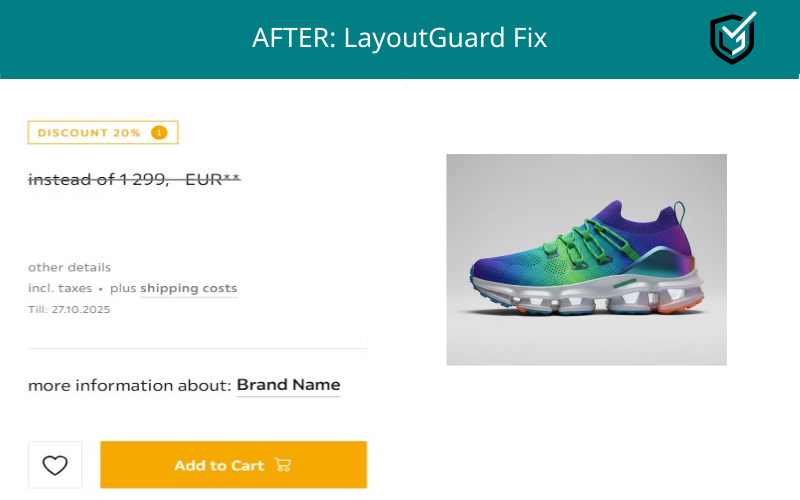
Without proper isolation, parts of the text stick to the wrong side — it looks broken and causes mistakes. The fixed version keeps every group in its place, so the info is readable and reliable.
Words that users don’t actually use
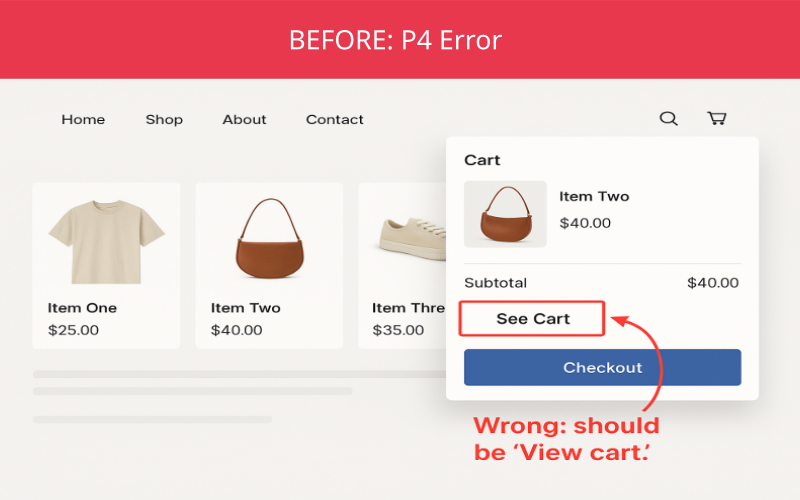
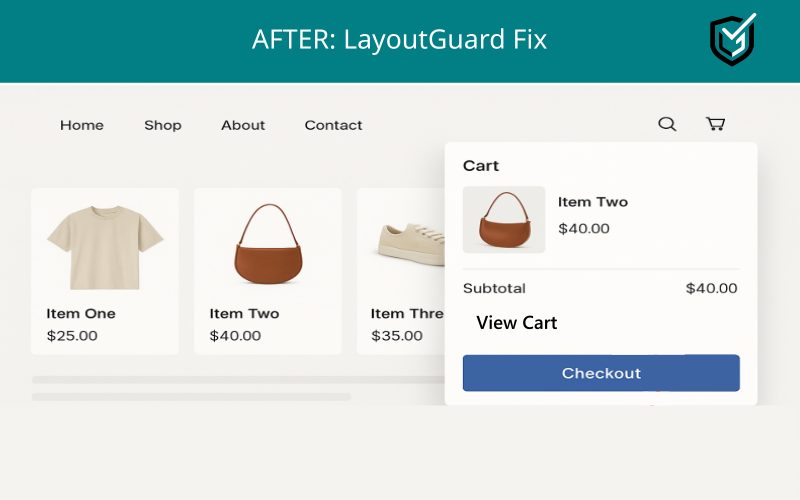
Literal or uncommon wording makes people hesitate: “Is this what I think it is?” The fixed copy uses familiar Arabic terms, so choices are instantly clear and confidence returns.
The LayoutGuard Solution – Precision and Certainty
We audit your product’s Arabic experience manually and meticulously. No automated linting – a native RTL expert combs through your UI to identify every flaw. What you get:
Deep P-Severity Audit
We rank every issue from P1 (Critical) to P4 (Cosmetic) so your team knows exactly what to fix first.
Dev-Ready Fix List
You get a detailed report with P-Severity, descriptions, and a clear fix for every single issue we find.
TermBase & Style Guide
We provide a roadmap for true localization, going beyond the basics to ensure your product feels native.
Why Choose Us
Specialized RTL Focus
We focus exclusively on Arabic right-to-left UX. This laser focus means we know exactly what pitfalls to catch – from bidi layout quirks to cultural nuances – far better than generic QA services.
Manual, Expert Auditing
No automated scanner can catch what a human eye will. Every audit is manually conducted by a native Arabic UX specialist, ensuring context and nuance are considered. We catch things automated tools and non-native teams miss.
Start with a Risk Snapshot
Quick, low-friction assessment that flags P1/P2 blockers and common mirroring/LTR-island failures, packaged as a clean evidence pack your team can fix against.
Actionable Results
No fluff, no lengthy PDFs to parse. You receive clear, developer-friendly outputs – screenshots, a fix list, and guidelines – so your team can jump straight into improvements. We bridge the gap from issue discovery to solution.
High Impact, Low Overhead
For a fraction of the typical price, you avoid costly mistakes and reworks. In short, our audits offer maximum ROI – saving you time, money, and headaches while you expand into new markets.
Fast Turnaround
Speed matters. Get results in days, not weeks. We know product teams move fast, so we deliver actionable findings quickly (without sacrificing thoroughness) to keep your release on track.